Yaqian Chen
Welcome to Yaqian's homepage!

yaqian (dot) chen (at) duke (dot) edu
Duke University
Durham, NC, United States, 27703
About me: I am a Ph.D. student in Electrical and Computer Engineering at Duke University, working at the intersection of AI and Healthcare. I am fortunate to be advised by Prof. Maciej A. Mazurowski under Duke Spark Initiative. My research focuses on applying deep learning to medical image analysis, with particular emphasis on medical image segmentation and registration, foundation models, and clinically relevant AI methodologies.
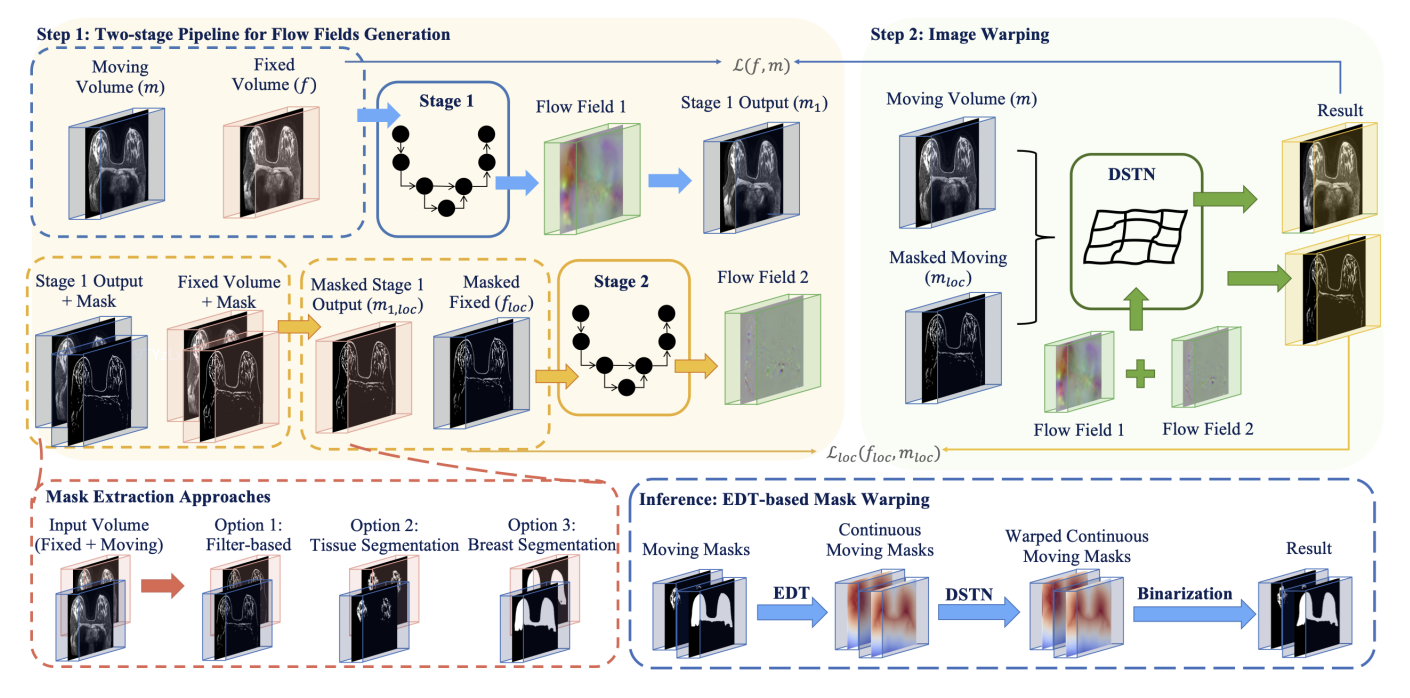
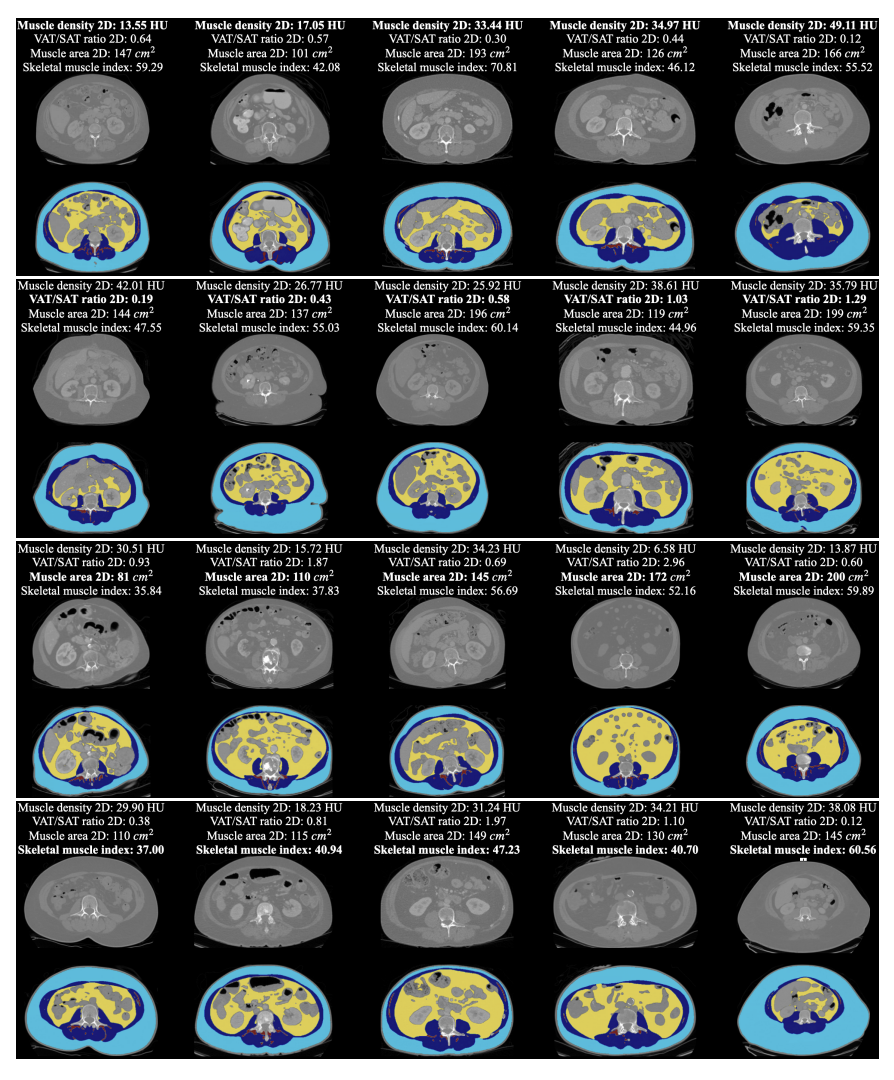
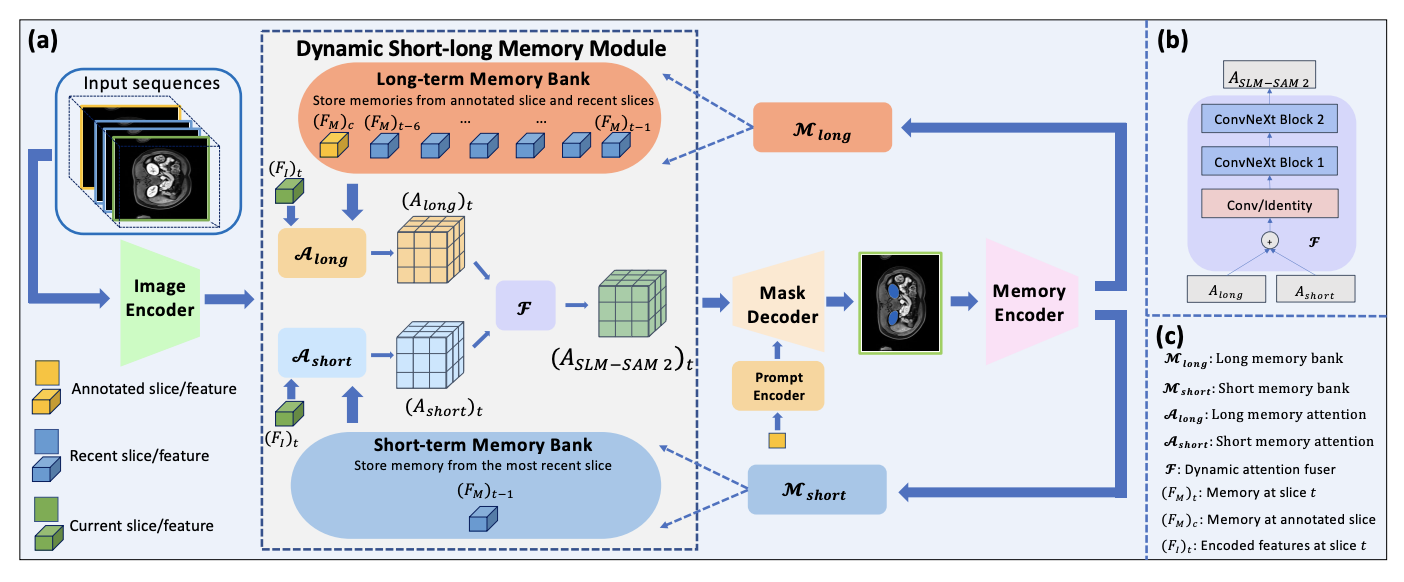
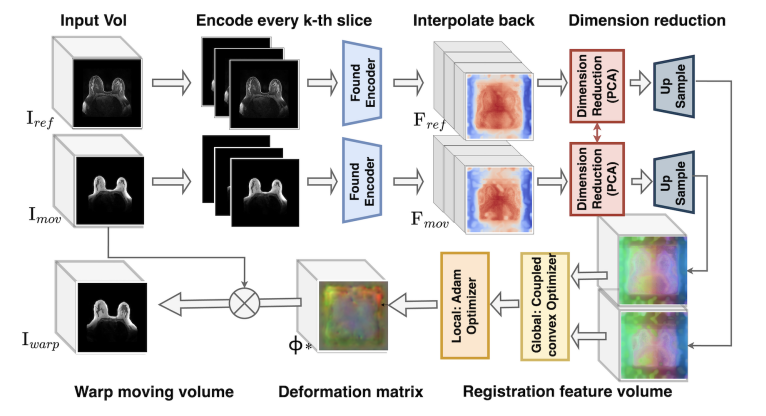
I am interested in several research topics, including foundation models, self-supervised and semi-supervised learning, fine-tuning strategies, and clinically meaningful AI. My work spans medical image segmentation, registration, body composition analysis, breast density estimation, and risk prediction. I have developed registration networks for breast MRI that outperform existing models, established benchmarks for foundation model-based registration (awarded best paper at MICCAI workshop), and contributed to multiple medical segmentation models through foundation model fine-tuning.
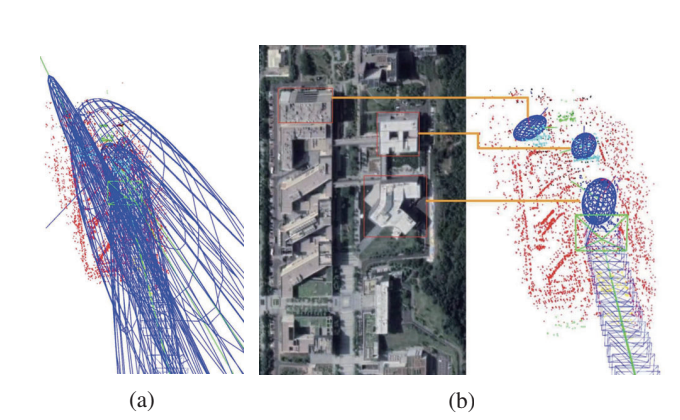
Before starting my Ph.D. at Duke, I received my Master’s degree in Computer Science from Johns Hopkins University, where I worked in the Laboratory of Biomechanical and Image Guided Surgical Systems. Prior to that, I received my Bachelor’s degree in Computer Science and Engineering from The Chinese University of Hong Kong, Shenzhen, where I worked on simultaneous localization and mapping (SLAM) and robotics applications.
See my Google Scholar for a full list of my publications, with a few highlights shown below.
Feel free to contact me through email at yaqian.chen@duke.edu.
news
| Aug 02, 2025 | 🎉 Thrilled to share that two of our papers on breast MRI have been accepted to the Deep-Breath Workshop at MICCAI 2025! 🧠 The first paper presents the most comprehensive breast MRI segmentation dataset to date, covering a wide range of anatomical structures. We hope this effort can lay the foundation for future research in breast composition analysis, risk stratification, and AI-driven screening tools. 🌀 The second paper focuses on generalizable breast MRI registration, addressing the challenge of aligning highly deformable anatomy across patients and imaging sessions. We demonstrate the power of foundation model features and training-free registration strategies to enable robust alignment without manual annotation. We believe these works together push toward more generalizable, scalable, and interpretable tools for breast MRI analysis. 🚀 Stay tuned — datasets, code, and more resources will be released soon. Big thanks to the Deep-Breath organizers and all our co-authors and collaborators! |
|---|---|
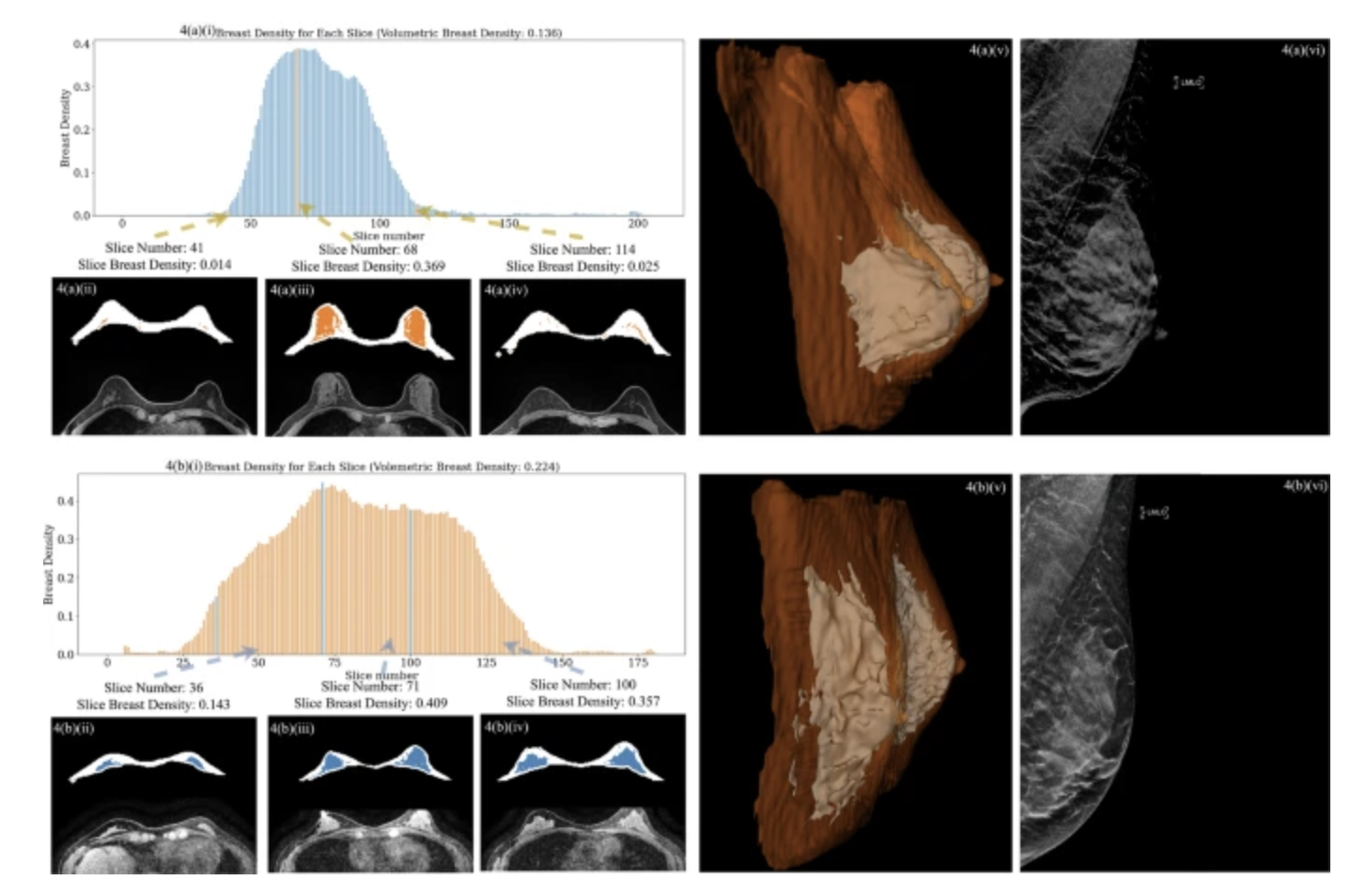
| Jun 29, 2025 | 🩺 Excited to share that our paper “Breast density in MRI: an AI-based quantification and relationship to assessment in mammography” has been accepted for publication in npj Breast Cancer! In this study, we developed an AI-driven pipeline to quantify breast density directly from MRI scans and explored how these MRI-derived metrics relate to traditional density assessments from mammography. Our work provides new insights into leveraging MRI for more comprehensive breast density evaluation. Huge thanks to all co-authors and collaborators — looking forward to seeing this work published soon! |
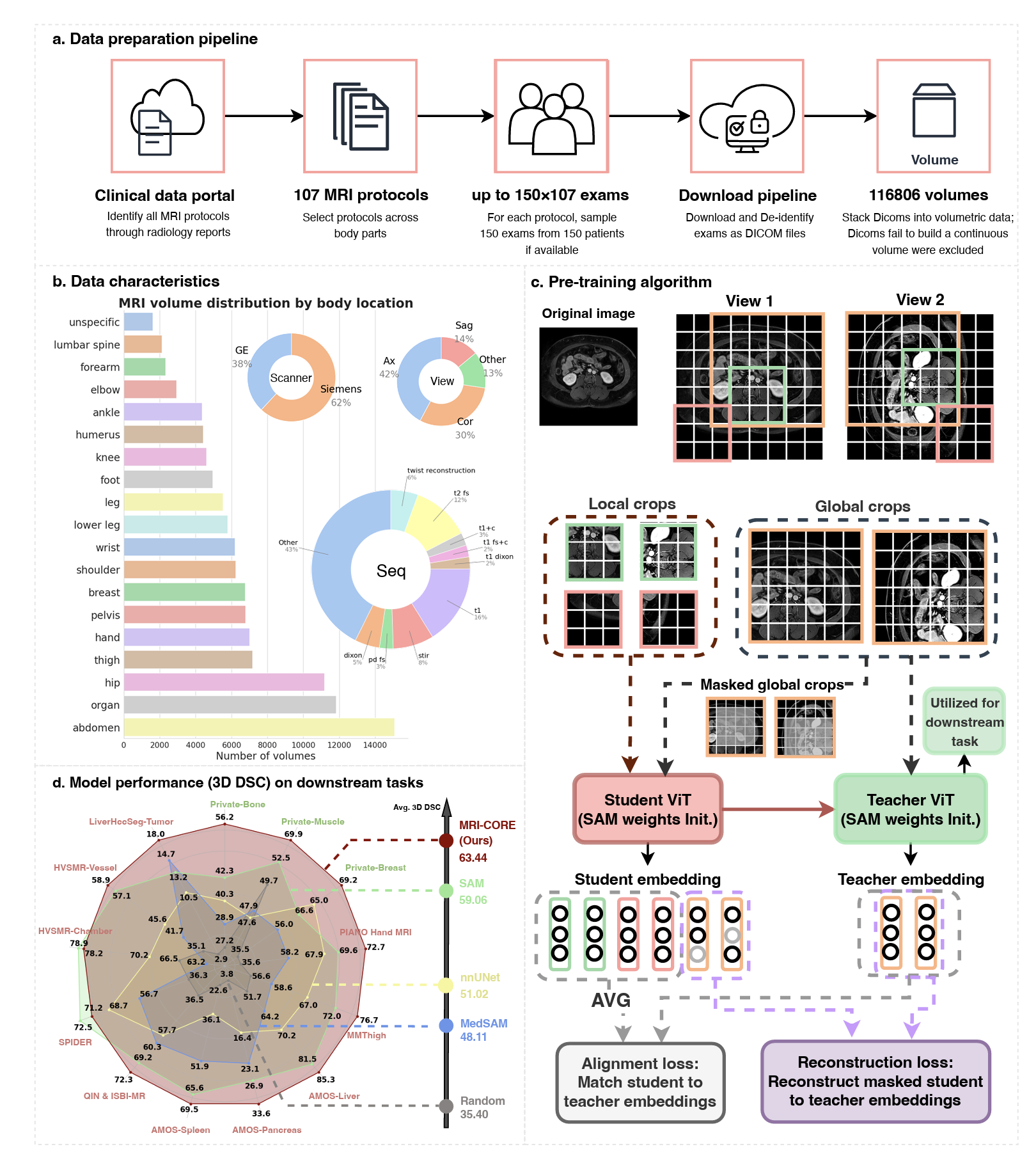
| Jun 25, 2025 | 🧠 Excited to share our latest work “MRI-CORE: A Foundation Model for Magnetic Resonance Imaging”, now available on arXiv! This project introduces a general-purpose MRI foundation model capable of handling diverse MRI sequences and anatomical regions, laying the groundwork for improved downstream tasks across medical imaging applications. 📄 Read the paper on arXiv Thank you to all collaborators for making this happen! |
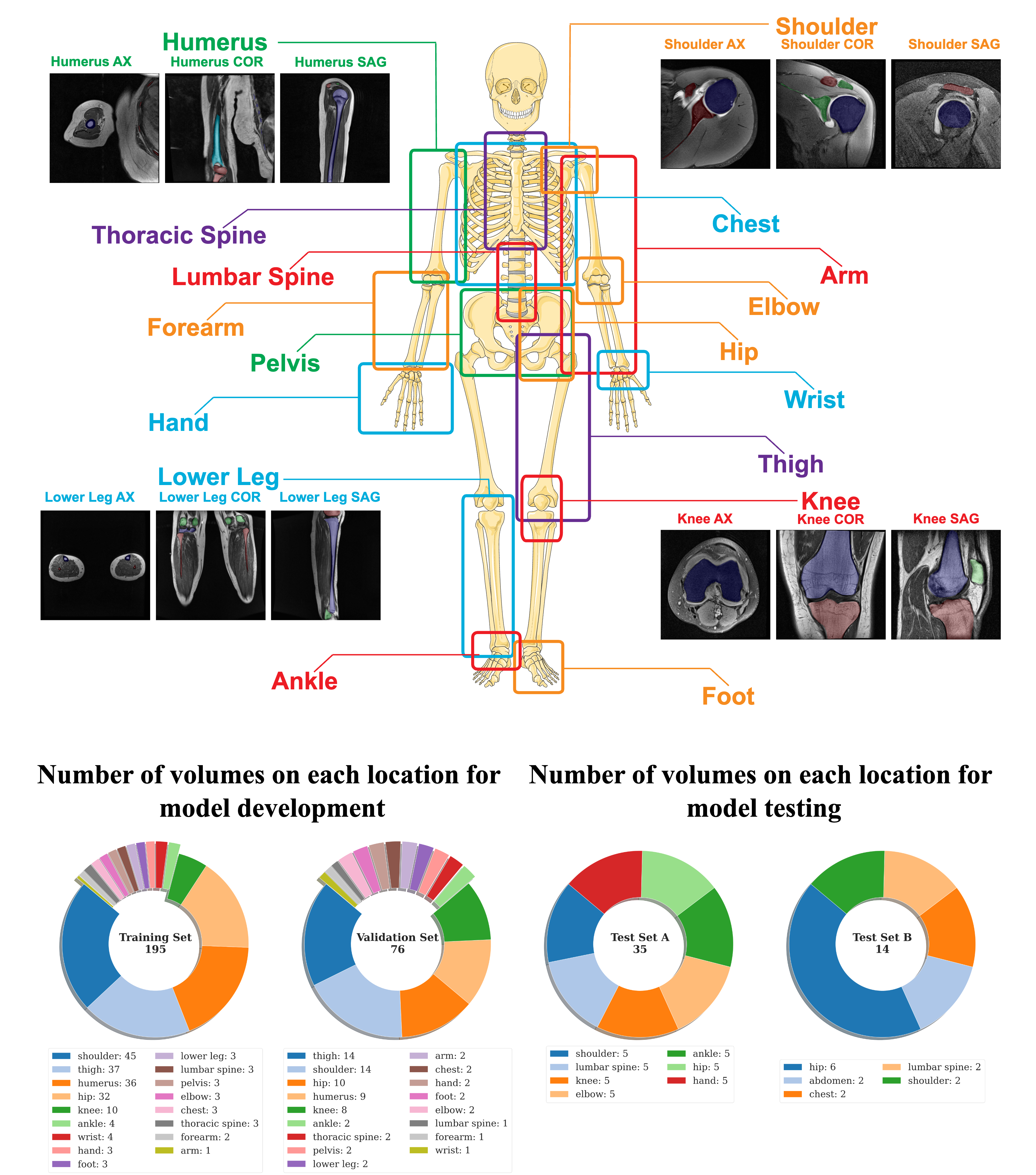
| Mar 12, 2025 | 🦴 Thrilled to announce that “SegmentAnyBone: A Universal Model that Segments Any Bone at Any Location on MRI” has been accepted to Medical Image Analysis! This work presents the first generalized MRI bone segmentation model across anatomical regions and MRI sequences. Thank you to all collaborators! |